
A corrosive atmosphere increases the risk of structural damage and collapses in swimming pools. Ensuring pool safety requires careful attention to material selection and the risks associated with corrosion.
Corrosive atmospheres increase the risk of damage in swimming pools
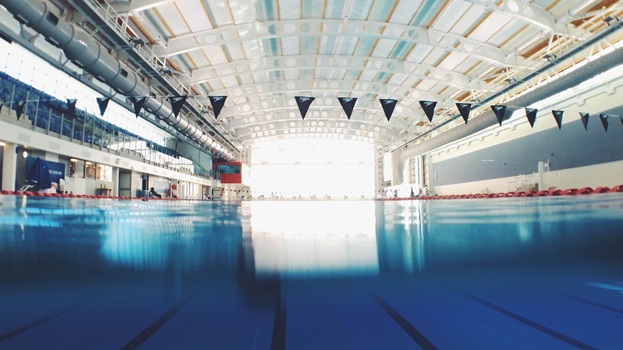
In recent years, evidence suggests that the indoor environments of Danish swimming pools have become more corrosive. Several factors contribute to this trend. More pools are now designed to function like water parks, meaning aerosols from pool water circulate more freely throughout the building. At the same time, higher visitor numbers increase the load on pools, which leads to an increased concentration of chlorinated compounds—often recognized as the characteristic “swimming pool smell.”
These changes in design and usage patterns heighten the risk of surface corrosion, which gives stainless steel and other metals a rusty appearance. More importantly, they also increase the risk of so-called “stress corrosion cracking” in critical load-bearing components.
Stress corrosion cracking is particularly dangerous because it can cause microcracks to form and propagate, ultimately leading to sudden and unexpected failures such as component rupture or structural collapse.
What is stress corrosion cracking, and why is it a particular concern in swimming pools?
Stress corrosion cracking attacks stainless steel when it is exposed to a combination of tensile stress (for example, the weight of suspended structures) and a corrosive, chlorine-rich atmosphere. This process accelerates the growth of cracks in the material.
The main reason stress corrosion cracking is so dangerous in the context of swimming pools is that many critical structural elements are made from stainless steel alloys that are especially vulnerable to this type of corrosion. For example, ceiling suspensions made from stainless steel endure both mechanical stress and constant exposure to chlorinated compounds and high humidity from pool water and guests.
This combination dramatically heightens the risk of stress corrosion cracking—and therefore, the risk of structural accidents such as falling fixtures or collapsed ceilings.
Structural failures can be prevented
Catastrophic failures due to stress corrosion cracking can be avoided by specifying components such as hangers, bolts, and cables in highly alloyed stainless steels or galvanized steel that are not susceptible to this type of corrosion.
Experience shows that many Danish swimming pools have used inappropriate stainless steel grades for critical components like bolts and hangers, creating potential risks for stress corrosion cracking and structural damage. However, the risk can be significantly reduced by regular maintenance and inspection of vulnerable building components.
In Denmark, the replacement of ceiling suspensions in swimming pools based on current knowledge has become common practice. Nevertheless, some pools still need to identify and address risks related to stress corrosion cracking to ensure accidents are prevented before they occur.
Consult the experts
No matter the situation, ensuring pool safety means partnering with corrosion experts who can assess risks and opportunities for preventing corrosion over time. It often pays to involve a specialist from the planning stage so that material choices are made with the latest knowledge and best practices in mind.
At FORCE Technology, we can guide you—whether you are planning a new project or considering upgrades or renovations to existing structures. Contact us for further information, or sign up for our newsletter to receive the latest insights directly in your inbox.



Reach out to Brian Peter Kofoed for more information.