Confirm that cylinders used for gas, air, oxygen, CO₂ or diving remain safe and fit for continued service through periodic inspection and testing.

Operators and owners of transportable gas cylinders face increasing safety and compliance risk as cylinders age and are exposed to corrosion, handling damage and repeated pressurisation. Limited visibility of internal condition and missing or outdated inspection records make it difficult to confirm continued fitness for service, while unverified cylinders can delay refilling, transport and operations.

Pressure testing and condition verification

Periodic inspection and pressure cylinder testing restore confidence by verifying structural integrity through internal and external examination and hydrostatic testing. Documented results confirm compliance with ADR and TPED requirements, provide a clear basis for approval and traceability and support safe, continued use of cylinders for gas, air, oxygen, CO₂ and diving applications.

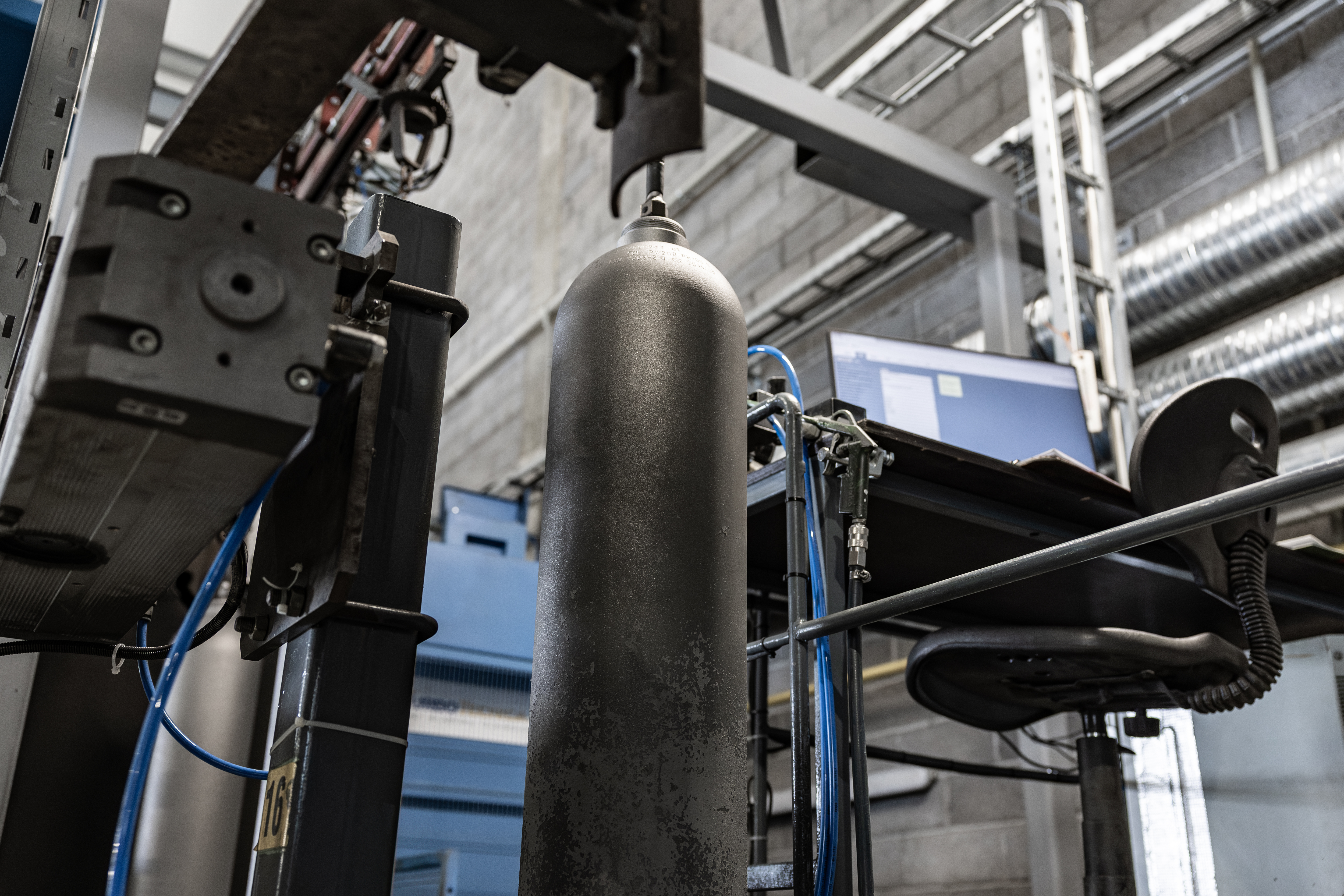
Transportable gas cylinders mounted in a test rig for periodic inspection and hydrostatic pressure testing in a laboratory setting.
Transportable pressure cylinders prepared for periodic inspection and hydrostatic testing.

Challenges

When cylinder condition is unknown, safe and compliant use cannot be confirmed.

Ageing and handling damage reduce cylinder safety

Repeated pressurisation, corrosion and transport handling gradually weaken cylinders, increasing the risk of failure if degradation remains undetected.

Limited visibility of internal condition blocks fitness-for-service decisions

Internal corrosion and thread wear cannot be assessed visually, leaving operators unable to confirm whether cylinders remain safe to use.

Outdated inspection status prevents refilling and transport

Missing or expired periodic inspection records can stop cylinders from being refilled, transported or accepted by operators and authorities.

Missing traceability causes operational delays and rework

Without valid markings and documentation, cylinders fail acceptance checks, leading to downtime, returns and additional handling.

Benefits

Take control of cylinder safety and compliance through verified testing

Documented safety, extended service life

Periodic hydrostatic testing and inspection confirm cylinder integrity and support continued use with verified safety margins.

Regulatory compliance, simplified control

Testing and documentation meet Danish and European transport requirements under the European Agreement concerning the International Carriage of Dangerous Goods by Road (ADR) and Transportable Pressure Equipment Directive (TPED), securing full legal compliance.

Independent verification, reduced risk

Testing by an accredited inspection body provides objective assurance and reduces liability for users, operators and refillers. 

Traceable results, efficient approval

Each cylinder is clearly marked and documented for traceability, making reapproval and refilling faster and easier. 

Let's make sure your cylinders stay safe and approved

Certified cylinder testing confirms integrity and compliance, providing clear documentation for refilling, approval and transport. Schedule your next inspection to stay ahead of ADR and TPED requirements and keep your cylinders ready for use.

Service scope

Cylinder inspection and testing capabilities

Periodic inspection includes hydrostatic testing and visual examination to verify cylinder integrity and safety.

Testing covers:

  • Cylinders for compressed air, oxygen, CO₂ and diving use
  • Transportable pressure cylinders in steel, aluminium and composite materials

Standards

Testing according to European and national safety standards for pressure cylinders

Liza Korfitz Brinch

Reach out to Liza Korfitz Brinch for more information.

lkb-intra.jpg

Liza Korfitz Brinch

Sales Executive

Call: +45 43 25 09 91

Please do not write any personal or sensitive information in the message field. Read our Data Protection Policy.