
- Advanced ultrasonic systems provide detailed corrosion mapping, wall-thickness measurement and crack sizing on subsea pipelines and structures.
- Configurable for straight, curved and bent geometries, including tie-ins and spool sections.
- Supports phased array, pulse-echo and Time of Flight Diffraction (ToFD) techniques for weld inspection and flaw characterisation.
Asset integrity and asset lifecycle management
Subsea asset inspection for safe, cost-efficient maintenance
Detect corrosion and structural flaws early through comprehensive inspection of subsea structures and pipelines.
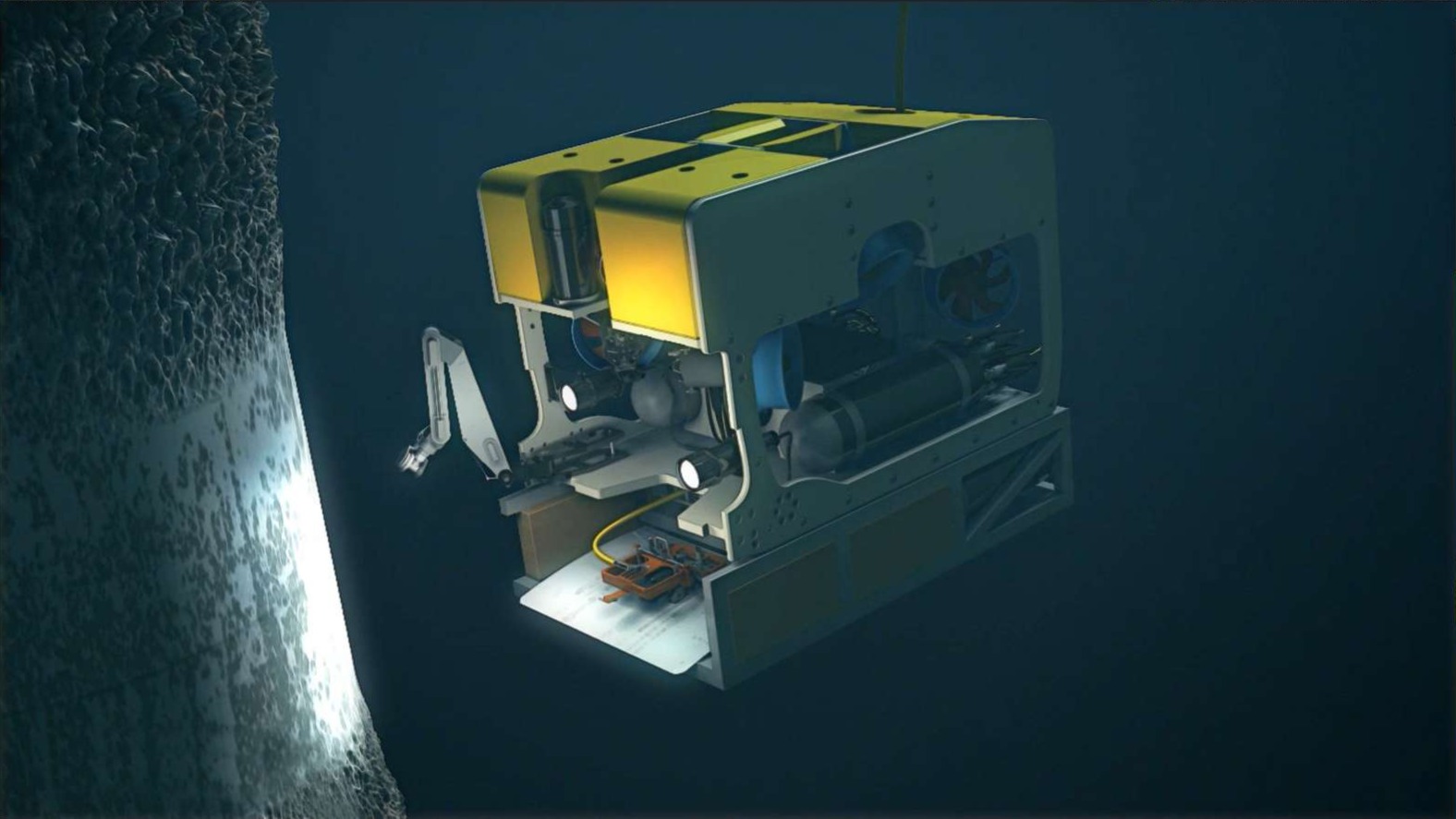
Subsea asset inspection supports operators and integrity teams responsible for maintaining the safe and reliable operation of underwater pipelines and structures. When structural conditions below the surface cannot be assessed with sufficient accuracy, corrosion, cracking or deformation may develop in inaccessible areas and remain undetected, delaying decisions and increasing the risk of costly intervention or unplanned downtime.
Establish insight into subsea asset condition
Applying non-destructive inspection methods suited to subsea environments provides consistent insight into asset condition, even when visual access is limited. This creates a clear basis for integrity assessment, documentation and maintenance planning, allowing teams to prioritise interventions, reduce operational risk and maintain long-term control of asset performance.
Challenges
When subsea asset condition is unclear, uncertainty delays decisions and increases operational risk.
Restricted physical access limits inspection coverage
Tight geometries, buried lines and confined structures prevent sufficient reach to critical areas, leaving parts of subsea assets unverified.
Inconsistent measurement quality undermines confidence
Manual readings and contact-based measurements vary in quality and resolution, making it difficult to rely on inspection results for decision-making.
Undetected early defects escalate integrity risk
Corrosion and cracking often initiate in coatings, welds or bends beyond visual reach, allowing damage to progress before it is discovered.
Labour-intensive surveys prolong exposure and cost
Diver-based inspection activities extend vessel time and offshore exposure, increasing safety risk and cost while slowing inspection completion.
Benefits
Subsea inspection that delivers clarity, safety and control
Full coverage, no downtime
Complete visibility of underwater geometries and structures supports inspection planning without production stops, allowing operations to continue while condition insight is established.
Clear data, confident decisions
Early visibility of corrosion, cracking and deformation gives teams reliable input for maintenance planning and integrity assessments.
Fast results, lower risk
Timely inspection outcomes reduce vessel time and offshore exposure, helping teams act sooner while lowering operational and safety risk.
Longer life, lower cost
Accurate condition insight supports proactive maintenance decisions that extend asset life and reduce the scope and cost of repairs.
Plan your next subsea inspection with confidence
Subsea asset inspection provides reliable condition insight without disrupting operations. Let’s plan an efficient inspection strategy for your assets.
Service scope
Inspection technologies and performance capabilities
Standards
Verified performance under recognised subsea inspection standards
See subsea inspection in action

Cookie consent is required in order to view this Youtube video
Ultrasonic scanner inspecting a subsea pipeline during an underwater inspection.
Related services
Inspection and non-destructive testing (NDT)
Manufacturing process monitoring with NDT
Asset integrity and asset lifecycle management
Subsea and offshore verification & consultancy
Inspection and non-destructive testing (NDT)
Pressure equipment inspection & assessment
Asset integrity and asset lifecycle management
Flexible riser monitoring



Reach out to Jarle Zetterstrøm for more information.