
Food safety, hygienic design and regulation
Centre for Hygienic Design
Enable manufacturers to evaluate hygienic design and cleanability of process equipment at an EHEDG-authorised testing laboratory.
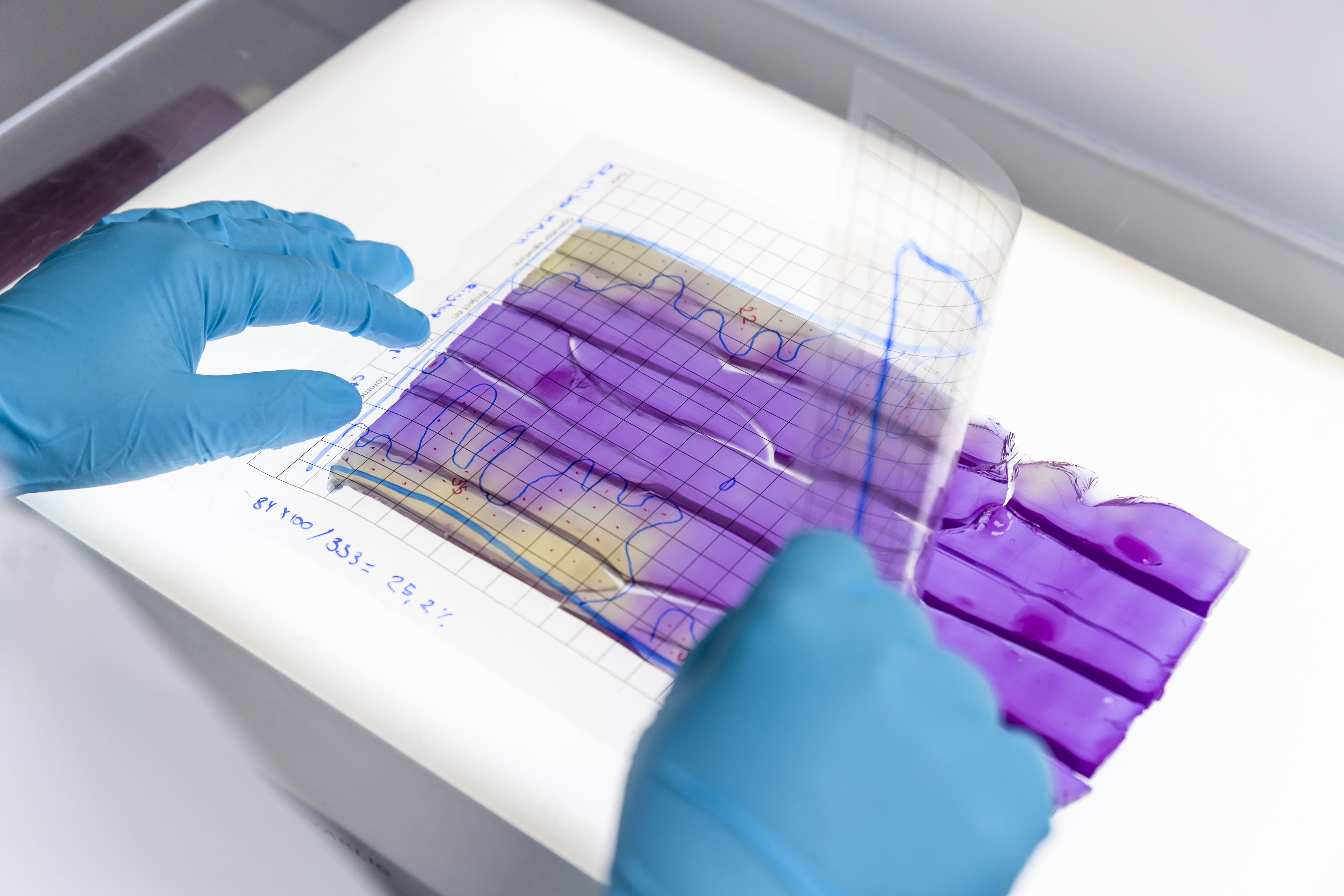
The Centre for Hygienic Design provides hygienic design testing and technical knowledge related to the cleanability of process equipment used in the food, biotechnology and pharmaceutical industries. Testing is conducted in an EHEDG-authorised testing laboratory, where the hygienic design and cleaning performance of components can be evaluated under defined conditions.
Testing is typically relevant during equipment development or when manufacturers need documented insight into how equipment performs during cleaning procedures. The centre also supports customer-tailored cleanliness validation, provides knowledge on food contact materials (FCMs), and offers courses on hygienic design and product safety.
Target group and benefits
Support manufacturers, engineers and quality teams with documented hygienic design testing of process equipment
Equipment manufacturers
The Centre for Hygienic Design works with manufacturers of process equipment to be used in hygienic production systems. Activities include evaluation of component cleanliness, cleanliness testing and testing for EHEDG certification of process equipment. The centre can also provide technical input during the design phase, for example, through CFD analysis of closed process systems and consultancy on requirements specifications and project flows.
Food products and biotechnology
Companies producing food products or working in biotechnology often require identification of requirements for the hygienic design of production equipment and process systems. The centre supports cleanliness validation and evaluation of hygienic operation and maintenance practices, as well as technical assessments related to product safety.
Pharmaceutical production
In pharmaceutical production environments, hygienic design principles support aseptic processing and controlled cleaning procedures. The Centre for Hygienic Design can contribute to testing related to cleanliness validation and evaluation of hygienic operation and maintenance practices used in pharmaceutical process systems.
Consultants and system suppliers
Engineering consultants and system suppliers may use the centre when hygienic design considerations must be incorporated into project planning and process system design. Testing and technical input can support validation of hygienic design principles during equipment development or system implementation
Book your consultation today
Discuss your equipment or system with our specialists to define relevant EHEDG testing scope and documentation needs.
Use cases
Apply hygienic design testing and cleanability evaluation to support equipment development, investigation and documentation of cleaning behaviour
Pre-evaluation of hygienic equipment design
Testing may be performed during the development of process components to evaluate how design features influence cleanability. Observations from testing help development teams understand how equipment performs during industrial cleaning procedures.
Documentation of cleanability
Cleanability testing can provide technical documentation describing how equipment behaves during cleaning operations. Test reports describe testing conditions and observations that may be included in internal documentation, technical evaluations or certification.
Investigation of cleaning performance
Testing can be used when companies need to investigate the cleaning behaviour of specific components and eqipment details. Controlled evaluation allows organisations to examine whether residues remain after cleaning procedures.
Evaluation of modified components
When process equipment is modified, hygienic design testing can be conducted to assess whether the updated design maintains comparable cleanability characteristics.
Facility specifications
Provide hygienic design testing in an EHEDG-authorised laboratory under controlled conditions to evaluate the cleanability of process equipment
Cleanability testing of process equipment
Testing focuses on evaluating how process equipment responds to defined cleaning procedures. Controlled tests allow observation of whether residues remain after cleaning and whether design features influence cleaning behaviour.
Monitoring of cleaning-in-place (CIP) procedures
The facility can evaluate the efficiency of cleaning-in-place (CIP) processes used in closed process systems. Observations from evaluation activities describe how cleaning parameters influence equipment cleaning performance.
Evaluation of materials in contact with food
The centre provides technical knowledge related to materials in contact with food and their interaction with hygienic design and cleaning processes.
Facility setup
Configure hygienic design testing, based on equipment type and defined cleaning procedures
Testing arrangements can be configured to match the design and function of the equipment being evaluated. Components such as valves, fittings, and pipe sections can be installed in test setups that represent their intended use in process systems.
Cleanability testing according to EHEDG principles
Testing setups are arranged according to EHEDG cleanability testing approaches where applicable. This ensures that testing conditions align with recognised hygienic design evaluation methods.
Evaluation during development or investigation
Testing configurations can support evaluation of both prototype components and existing equipment requiring investigation of cleaning behaviour.
Standards
Reference recognised hygienic design guidance according to EHEDG, including testing principles and ASME BPE recommendations for hygienic process equipment.
Locations
Downloadable resources
Newsletter
Newsletter
Lorem ipsum
Related services
Food safety, hygienic design and regulation
Hygienic design expertise for the food and pharmaceutical industries
Temporary service Page
Temporary Service Page For Set-Up
- See all our services and facilitiesAre you interested in more services and facilities. Go have a look at our full catalogue.





Reach out to Alan Friis for more information.