
- Multi-axis strain gauges, accelerometers and displacement sensors capture continuous data on stress, fatigue and vibration in pipelines, structures and wells.
- Pressure and temperature sensors monitor load variations and thermal expansion to identify abnormal strain or movement.
- Subsea nodes use acoustic, fiber-optic or hard-wired transmission depending on depth, layout and redundancy requirements.
Asset integrity and asset lifecycle management
Structural monitoring of pipelines, risers and wells
Get early insight into fatigue, deformation and strain so you can manage structural risk and extend service life of subsea and offshore assets.
Structural monitoring supports operators of pipelines, risers and wells exposed to dynamic loads, currents and seabed movement that gradually weaken critical joints and welds. Because these effects develop below the surface, periodic inspections provide only isolated snapshots and leave long periods without condition certainty. This lack of continuity makes it difficult to judge whether observed changes are normal development or emerging integrity issues.
Continuous view of structural behaviour
By establishing a consistent view of structural behaviour over time, monitoring strengthens the basis for prioritising inspections, planning interventions and documenting integrity decisions. This supports controlled asset management and reduces reliance on reactive maintenance in subsea and offshore operations.
Challenges
When operators rely on periodic inspections, limited visibility between campaigns increases structural risk and uncertainty.
Gaps between inspections block confident integrity decisions
With condition data available only at inspection intervals, operators lack the evidence needed to judge whether assets remain fit for service between campaigns.
Dynamic loads undermine structures without visible warning
Currents, vibration and operational changes introduce fatigue and deformation that develop below the surface, allowing damage to progress unnoticed.
Subsea assets cannot be monitored through physical access alone
Limited accessibility prevents frequent verification of critical areas, leaving operators dependent on assumptions rather than continuous condition awareness.
Late discovery of issues forces reactive maintenance strategies
When degradation is identified only after it becomes apparent, maintenance shifts from planned interventions to costly, unplanned responses.
Benefits
Let’s make sure integrity decisions reflect actual condition, not assumptions.
Real-time data, fewer surprises
Sensors track strain, movement and vibration continuously, giving a reliable picture of structural behaviour under real operating conditions.
Early warnings, lower risk
Automated alerts highlight developing fatigue and deformation before issues escalate, reducing the likelihood of unplanned interventions.
Integrated insight, smarter planning
Monitoring data feeds into inspection and modelling workflows, supporting predictive maintenance and long-term integrity strategies.
Proven systems, flexible setup
Monitoring systems scale from single components to full-field networks, adapting to new or ageing structures with minimal disruption.
Get the right structural monitoring solution
Let's make sure your pipelines, risers, structures and wells stay safe for the long run. Our experts can help you design the right monitoring setup for your assets, from targeted sensors to full systems.
Service scope
System capabilities and measurement scope
Standards
Verified performance under recognised offshore integrity and monitoring standards
Examples
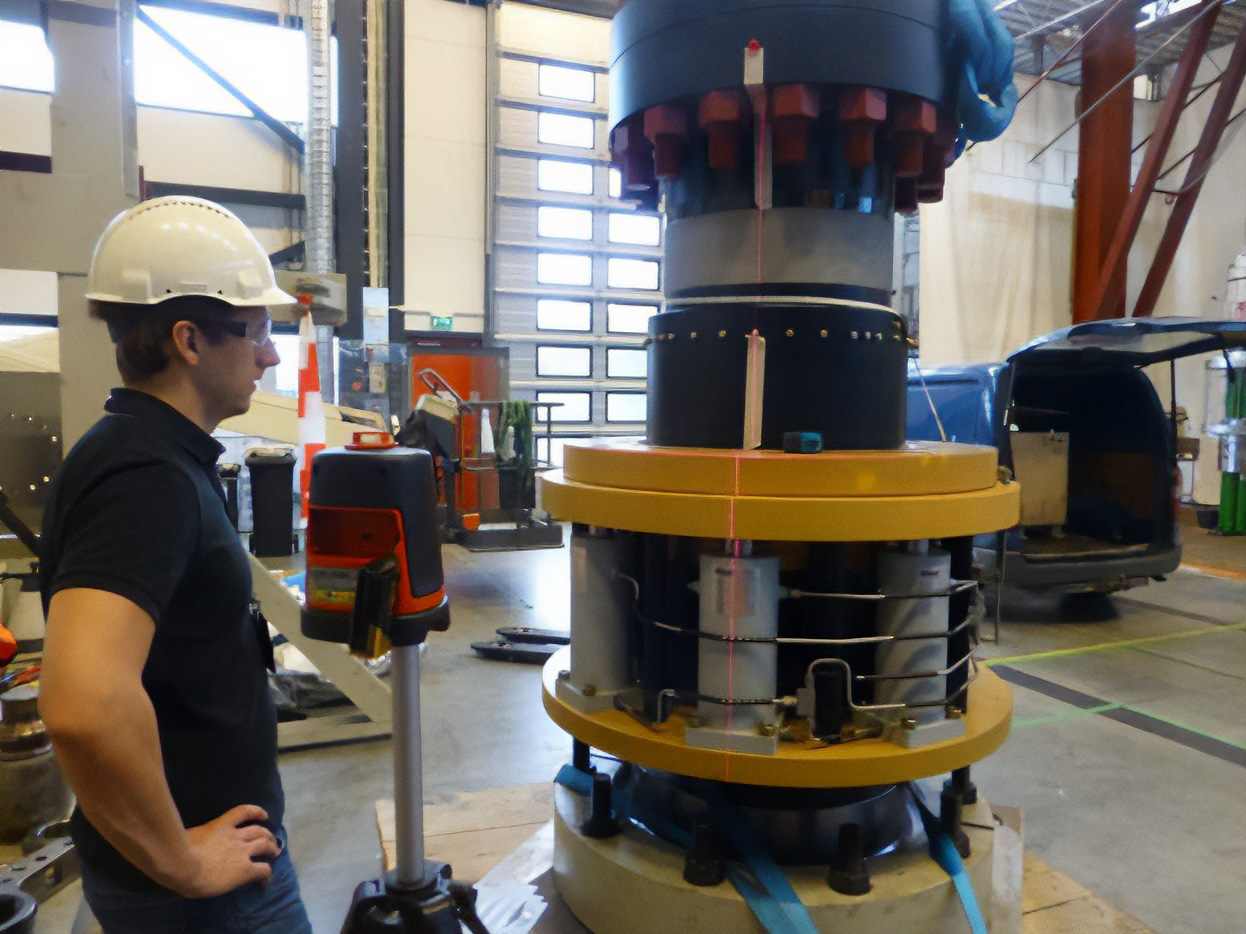
Precision setup ensures reliable monitoring data
Related services
Asset integrity and asset lifecycle management
Subsea and offshore verification & consultancy
Asset integrity and asset lifecycle management
Flexible riser monitoring
Structural engineering
Aerodynamic assessment of bridges
Asset integrity and asset lifecycle management
Subsea asset inspection for safe, cost-efficient maintenance




Reach out to Morten Strengelsrud for more information.